With the arrival of sunny days and the bright summer sun, it is useful to remember the effects of heat on our health, and more specifically on our blood circulation.
The rise in skin temperature is a factor impacting poor venous return, and therefore in venous insufficiency. This is because heat causes blood vessels to dilate, which can result in a feeling of heavy legs, cramps or itching(1).
Blood vessels have a natural characteristic of adapting to the outside temperature. In cold temperatures, the vessels contract to protect the body from hypothermia. As the temperature rises, the veins expand to improve heat dissipation and limit overheating(1,2). The consequence of this dilation is the slowing down of blood circulation, and therefore of venous return, which facilitates the swelling of the lower limbs(1).
How to relieve heavy legs when it's hot?
Compression too often forgotten in summer
If you have a genetic tendency to varicose veins, lead a sedentary lifestyle, spend a lot of time sitting, standing or stomping, or are pregnant, summer could be an extra challenge for your legs. For this, it is essential to limit exposure to heat as much as possible to contribute to the good health of your legs(3).
The use of compression stockings may not be intuitive for some during the hot season, but there are different alternatives to make the most relevant choice according to your needs and thus promote good blood circulation:
Use of finer, transparent or semi-transparent compression, offering the same benefits as opaque compressions
Selection of socks with open feet, which allows you to free the toes and let them breathe. This option promotes a greater possibility of shoe styles.
Choose compression socks with natural fibers such as cotton or linen, which are able to promote moisture absorption, resist UV rays, are comfortable to wear and easy to care for(5).
Prioritize the choice of compression socks over thighs or tights, when possible.
Our tips for hindering venous dilation in summer
In order to mitigate the effects of the heat, especially in summer, here are some recommendations to limit the dilation of the veins and the symptoms of venous insufficiency(4):
Limit prolonged exposure to the sun
Drink enough water
Avoid repeated and long-term exposure to heat (hammam, sauna)
Passing cold water over the legs to promote venous vasoconstriction (reduction in the diameter of blood vessels)
Elevate your legs as soon as possible(5)
Wear compression to support veins and promote venous return(5)
Kellogg, D. (2006). In vivo mechanisms of cutaneous vasodilation and vasoconstriction in humans during thermoregulatory challenges.. Journal of applied physiology, 100 5, 1709-18 . https://doi.org/10.1152/JAPPLPHYSIOL.01071.2005.
Lebreton-Legarçon, C., & KoÇak, F. (2020). Venous insufficiency, a chronic and progressive disease. Pharmaceutical News, 59(594), 8-12. https://doi.org/10.1016/j.actpha.2019.12.023
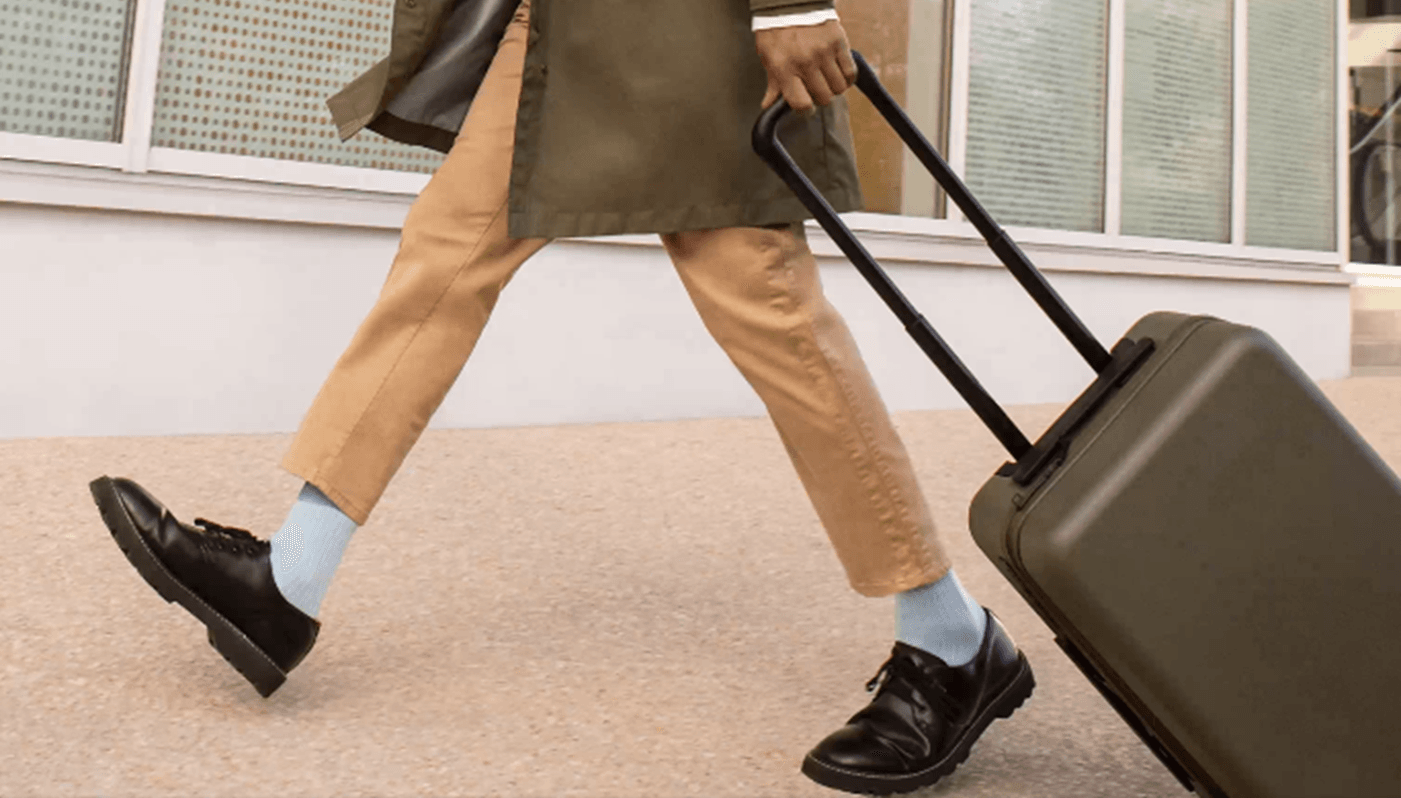
For some, holidays are synonymous with travel and long journeys. These trips by car, bus, train or plane, which sometimes cause immobility for several hours, can cause discomfort for the legs.
Pregnancy:
the belly is quite heavy, not the legs!
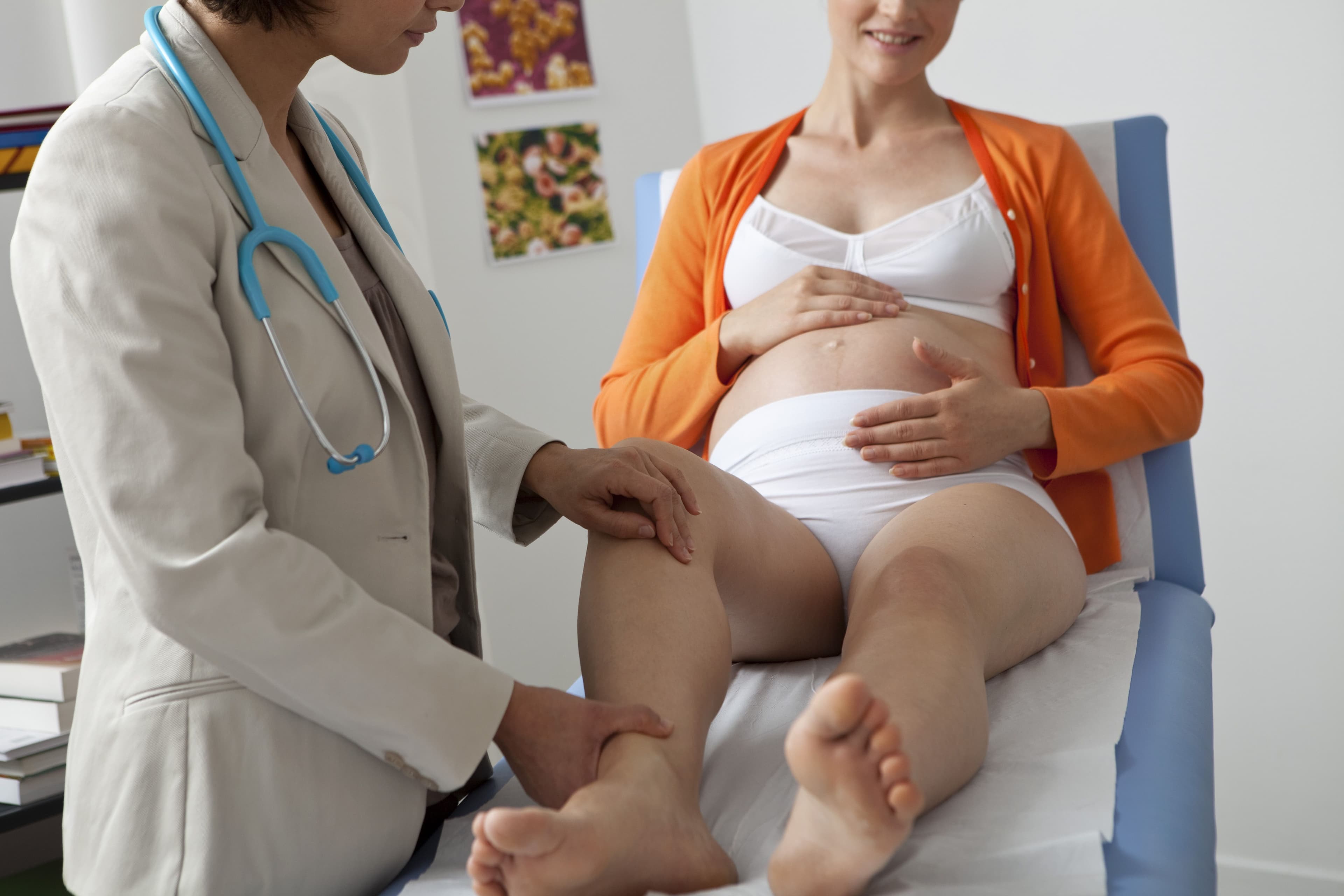
An aspect of pregnancy that is often forgotten or little mentioned is the appearance of signs of venous insufficiency such as heavy legs, leg edema or varicose veins.
Compression stockings have become a daily ally to relieve heavy legs, improve circulation and prevent certain venous disorders. But are you wondering if keeping your compression stockings on overnight is a good idea?