SpryStep®: understanding the different models of AFO brace
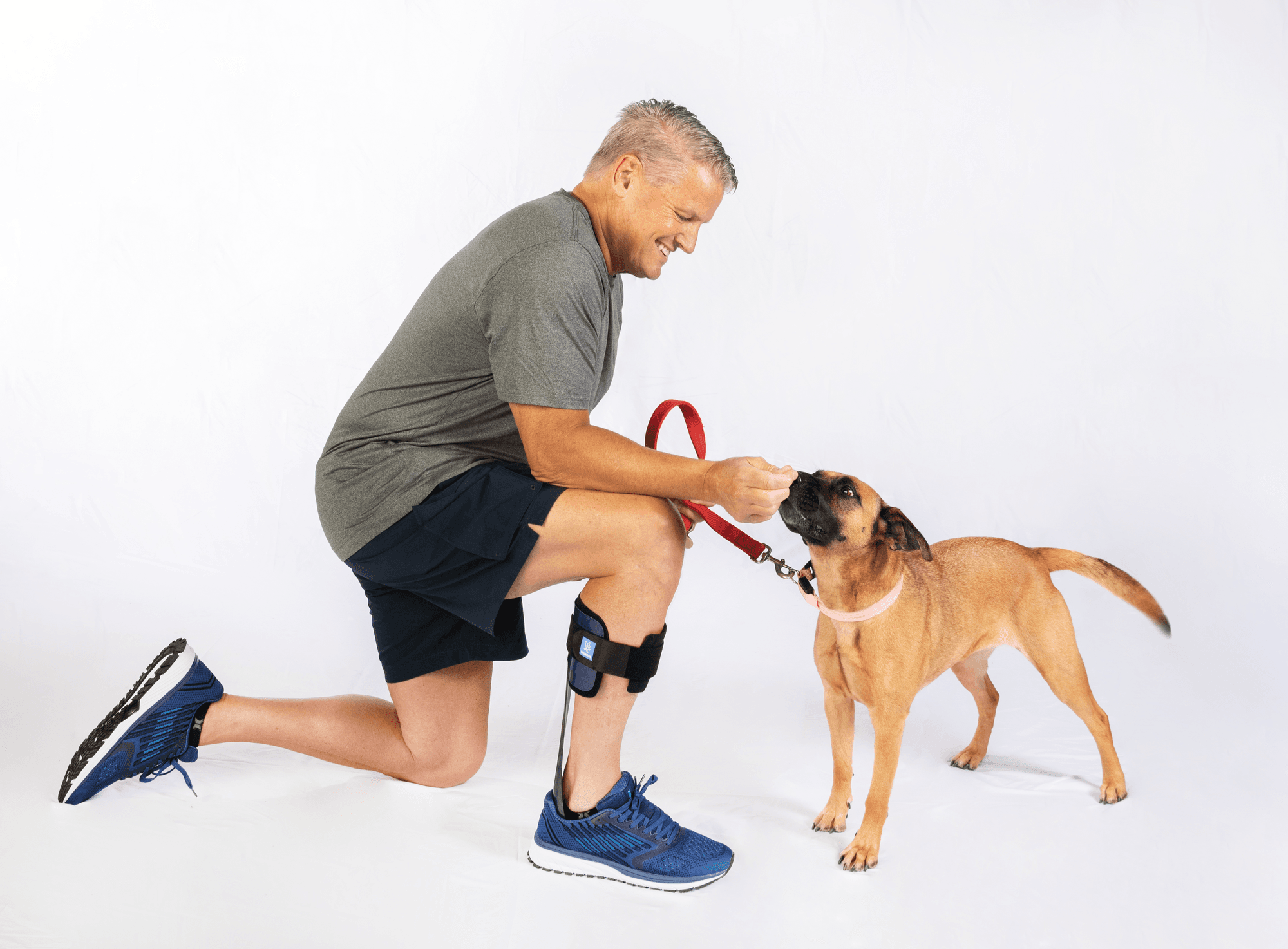
SpryStep®Ankle-Foot Orthoses (AFOs) are designed to help people with foot drop, a condition where lifting the front of the foot becomes difficult. They support the foot during walking(1,2), reduce the risk of tripping(5), and help make walking safer(2) and less tiring(2).
Each SpryStep® model is designed for a specific level of muscle weakness, knee instability, and activity level. Choosing the right model helps improve mobility in daily life, comfort and confidence(6).
SpryStep® Flex: for active lifestyles
SpryStep® Flex is designed for active patients who want to maintain a dynamic and natural gait. Its spiral posterior design provides high flexibility and energy return (3), making walking feel more fluid(3). This model is often chosen by people who walk a lot or practice physical activities.
SpryStep® Original: balanced support for daily walking
SpryStep® Original is designed for people with mild to moderate foot drop and a knee hyperextension pattern. It offers intermediate support for people with foot drop. Its dynamic design helps store and release energy during walking(3), making gait smoother(3). It is suitable for moderate activity levels.
SpryStep® One: a simple and adaptable solution
SpryStep® One is designed for the same type of deficits as the SpryStep® Original. It provides intermediate support to lift the foot during walking while remaining lightweight and comfortable(3). Its universal size with trim zones allows easy adjustment to the anatomy which could allow a fit right away in acute phase(4). It is suitable for moderate activity levels.
SpryStep® Plus: support for foot drop for reassurance
SpryStep® Plus is intended for people with foot drop combined with knee flexion instability or quadriceps weakness. Its anterior structure helps guide and support the knee during walking while also assisting foot lift. It provides higher support(3) while allowing moderate activity in order to reassure people in walking.
SpryStep® Max: maximum stability for safe walking
SpryStep® Max is the most supportive model in the standard range. It is designed for people with significant weakness who need maximum stability, especially in case of knee flexion instability(3). It is particularly suitable for low activity levels, where safety and confidence are the priority.
SpryStep® models comparison table
SpryStep® model
Who is it for?
Activity level
Level of support
Key feature
SpryStep® Flex
Active patients, mild foot drop
High
Low
Flexibility
SpryStep® Original
Mild to Moderate foot drop
Moderate
Intermediate
Versatility
SpryStep® One
Need to be quickly fitted
Moderate
Intermediate
Universality
SpryStep® Plus
Foot drop with knee flexion instability
Moderate
Intermediate
Reassurance
SpryStep® Max
Significant weakness and knee flexion
instability
Low
High
Safety
How to choose the right SpryStep® model
The right SpryStep® depends on muscle strength, knee instability, and daily activity level targeted. A healthcare professional (orthotist, physician, physiotherapist) is essential to assess the situation and adjust the orthosis correctly.
DCM de Wit, JH Buurke, JMM Nijlant, MJ IJzerman and HJ Hermens “The effect of an ankle-foot orthosis on walking ability in chronic stroke patients: a randomized controlled trial”Clinical Rehabilitation 2004; 18: 550-557
Internal CE marking data
Trimming allows to adapt the brace to the anatomy of the patients and to position it correctly in order to take into consideration the anatomical areas
Pongpipatpaiboon, Kannit, mukaino, Masahiko, Matsuda, Fumihiro, et al. “The impact of ankle–foot orthoses on toe clearance strategy in hemiparetic gait: a cross-sectional study.” Journal of NeuroEngineering and Rehabilitation, 2018, vol. 15, p. 1-12
Diana Rimaud and al. “Effects of carbon versus plastic ankle foot orthosis on gait outcomes and energy cost in patients with chronic stroke” J Rehabil Med Aug23, 2024; 56: jrm35213. DOI: 10.2340/jrm.v56.35213
Ankle Foot Orthosis, an ally for correcting foot drop
AFO (Ankle Foot Orthosis) is an orthopedic device designed to address the issue of foot drop effectively. When you have foot drop, your foot tends to point downwards, making it challenging (if not impossible) to lift it properly.
Deepening on foot drop: Abnormal Gait Cycle due to Foot drop and Different methods of compensation: steppage, …
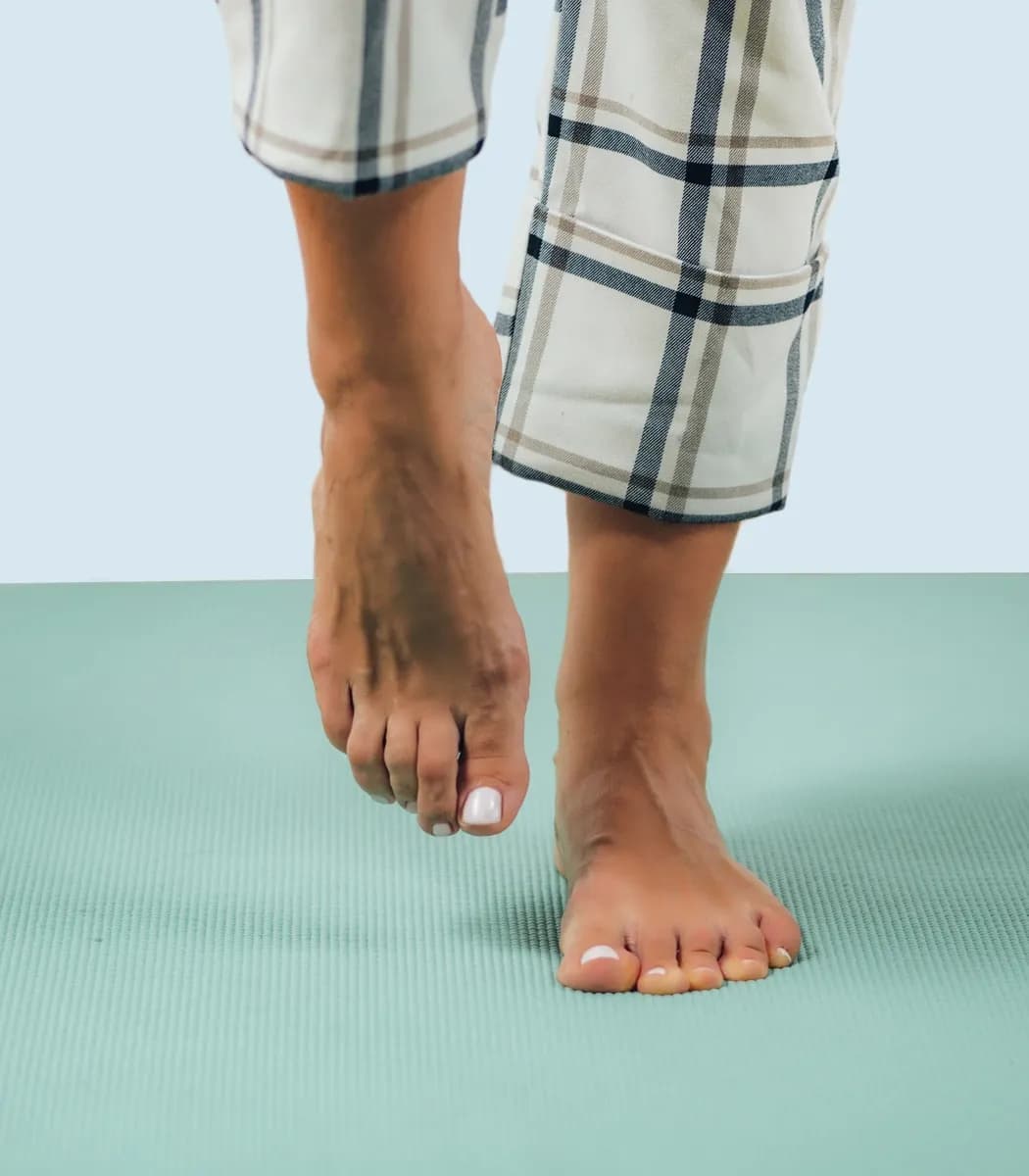
Foot drop is characterised by a significant difficulty in lifting the front part of the foot, causing it to drag or delay when walking. This condition impedes the normal gait cycle, affecting mobility and increasing the risk of falls.