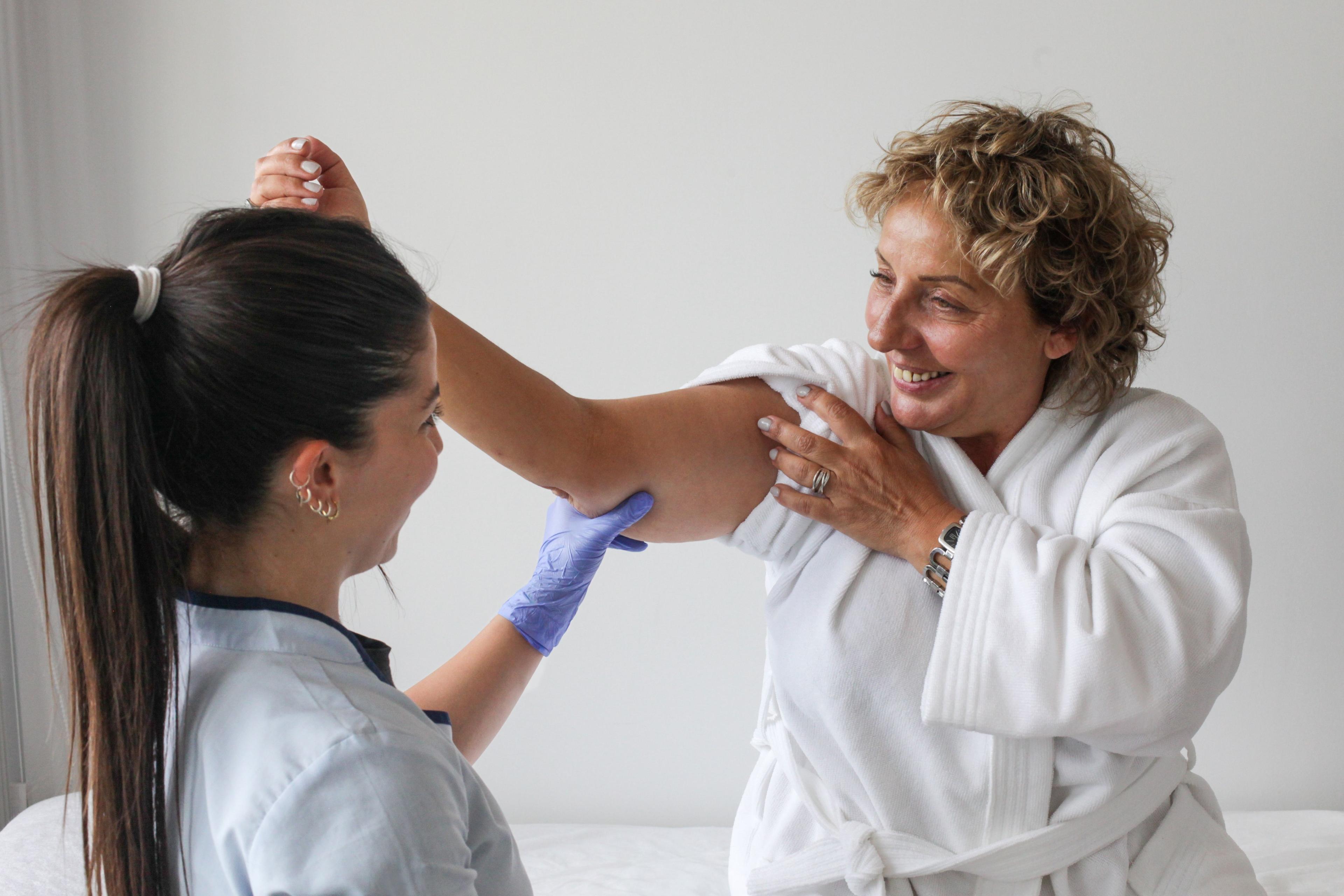
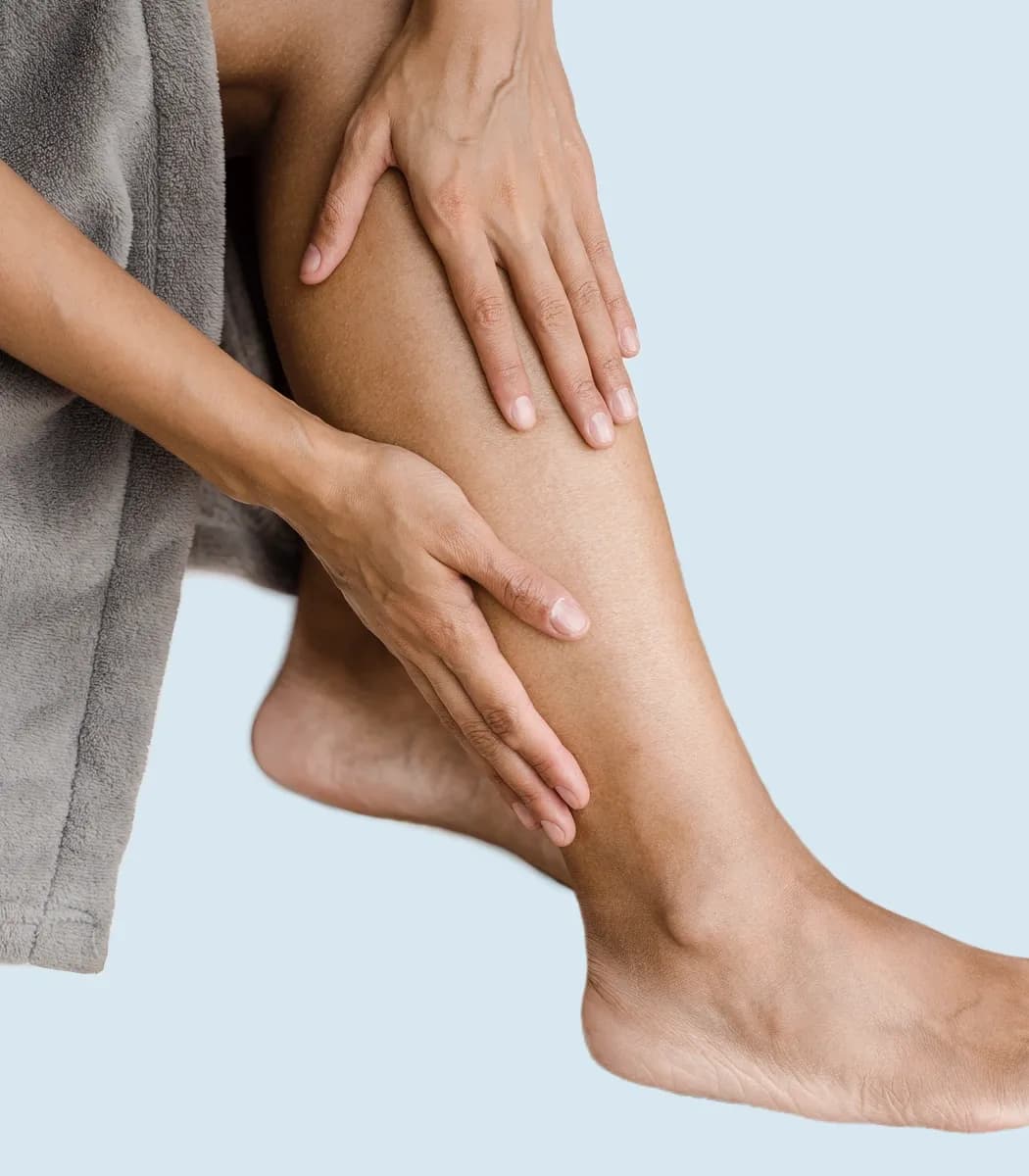
Lymphedema is a pathology that can affect the upper limbs (arms, hands) and lower limbs (legs, feet). Following cancer, for example of the prostate, this condition can also affect the genital area in men.
Genital lymphedema in detail
The lymphatic system is a network of lymph nodes and vessels that runs throughout the human body(1). It allows the circulation of lymph — a translucent fluid from the blood that carries white blood cells (lymphocytes) and flushes waste products from cells(1). Lymphedema is an accumulation of lymph in the tissues. It can affect the lower and upper limbs and also the reproductive system, in women (after bladder or uterine cancer) as well as in men, especially after prostate cancer.
What are the symptoms of lymphedema in the private area?
Genital lymphedema affects the penis, the foreskin and the scrotum in men. It can spread to the pubis and abdomen. Lymphedema can manifest itself by(2):
A feeling of discomfort and/or friction when walking(2)
A sensation of pain (2)
Discomfort or heaviness in the pelvis.
Before starting care, an ultrasound of the affected area can be performed to ensure that the swelling observed is related to lymphedema and not to another cause requiring different management (2).
What are the complications of genital lymphedema in men?
Genital lymphedema in men is a chronic disease that can lead to many physical, functional and psychological complications.
The abnormal accumulation of lymph in the genital tissues causes persistent inflammation, which is responsible for an increase in fatty tissue (adipogenesis) and fibrosis, i.e. a progressive hardening of the tissues(5).
Over time, the skin may become thicker and rougher, with the appearance of papillomas (small growths of the skin), warty lesions, and hyperkeratosis, corresponding to excessive thickening of the surface layer of the skin5. Lymphatic vesicles (small lymph-filled blisters) can also form and cause lymphatic fluid to leak through the skin (lymphorrhea) or bleed(5).
In some cases, the presence of lymph in the urine (chyluria) or blood in the urine (hematuria) may also be observed5. These small wounds can become infected and lead to recurrent infections of the skin and subcutaneous tissues, called erysipelas, which are a common complication and require urgent management.
Enlarged genitals can also lead to difficulty urinating, impaired sexual function, and significant discomfort during intercourse(5). In addition, the sometimes considerable volume of edema can make travel difficult and complicate daily hygiene. Finally, the psychological and social repercussions are often major: changes in appearance, functional limitations and the impact on intimate life can alter self-image, promote social isolation and lead to a significant decrease in quality of life(5).
In the most advanced forms, especially in the case of genital elephantiasis, these complications become particularly disabling and often warrant surgical management aimed at restoring function and improving the overall well-being of the patient.
What is the treatment for genital lymphedema ?
Specific care(6,7)
Treatment consists of reducing the volume of the lymphedema, as part of compression care of the genital organs (lymphatic drainage, but also bandages)(2), then maintaining the reduction in volume of the area, as well as limiting recurrence, always by applying genital bandages to the scrotum and penis(3) and/or by wearing compression garments (shorts, underpants, pantys).
If the lymphedema in the scrotum, penis, or foreskin is too large, surgery to remove the lymphatic vesicles and lymphedematous tissue may be necessary(2).It is not very painful and can be repeated in the event of a recurrence.
In order to maximize the effectiveness of the treatment, the patient must master the techniques of self-bandaging and self-massage.
Treatment can be implemented in the context of inpatient or outpatient care. The patient's written consent must be obtained before starting care(3).If you have any other questions, ask your doctor for advice.
What is lymphatic drainage?
Manual lymphatic drainage: what is it?
Manual lymphatic drainage (MLD) is a gentle massage technique recognized as a key component of the decongestive treatment of lymphedema. Its goal is to encourage the movement of fluids out of congested areas, stimulating the activity of healthy lymphatic vessels and bypassing damaged or obstructed lymphatic vessels(7).
The MLD must be carried out by a professional trained in this specialised technique(7).
National Cancer Institute. (n.d.). lymph. https://www.cancer.fr/glossaire/lymphe
Noble-Jones R, Thomas MJ, Quéré I, Moff att C, Borman P, DiCecco S, Gabe-Walters M, Gordon K, Bragg T, Morgan K. Genital oedema. Journal of Wound Care. 2021; 30(Sup 2)12:1-40 JWC_GenitalOedema_2021.pdf
Fletcher J, Borthwick Y, Elwell R et al (2024) Practical issues in applying compression garments and wraps for management of lymphoedema. Wounds UK MULTI24_CD_BLS_WUK_WEB-v3.pdf
Lymphoedema Framework. Best Practice for the Management of Lymphoedema. International consensus. London: MEP Ltd, 2006. BP PAGESfinjune8 bQ5
Lakssir, J., Kadouri, Y., Bellouki, O., Ibrahimi, A., El-Sayegh, H., & Nouini, Y. (2024). Penoscrotal elephantiasis: A severe form of genital lymphedema. Urology Case Reports, 53. https://doi.org/10.1016/j.eucr.2024.102660.
*Hyperkeratosis: Abnormal thickening of the surface layer of the skin8.
The lymphatic system and/or the lymph nodes. It can cause many daily problems for people who have it. It often leads to skin problems, which can be treated with prevention and good daily hygiene habits.
Lymphedema should not be a barrier to physical activity. On the contrary, sport has been shown to be beneficial in stimulating lymphatic circulation and improving the quality of life of those affected.