Lymphedema generally affects either the lower or upper limbs. But in some cases it can affect the genital region, in both men and women. We take a closer look at this form of lymphedema, its specific characteristics and how it is treated in women.
Lymphedema is a pathology that can affect the upper limbs (arms, hands) and lower limbs (legs, feet). Following cancer, for example of the prostate, this condition can also affect the genital area in men.
The lymphatic system and/or the lymph nodes. It can cause many daily problems for people who have it. It often leads to skin problems, which can be treated with prevention and good daily hygiene habits.
Lymphedema should not be a barrier to physical activity. On the contrary, sport has been shown to be beneficial in stimulating lymphatic circulation and improving the quality of life of those affected.
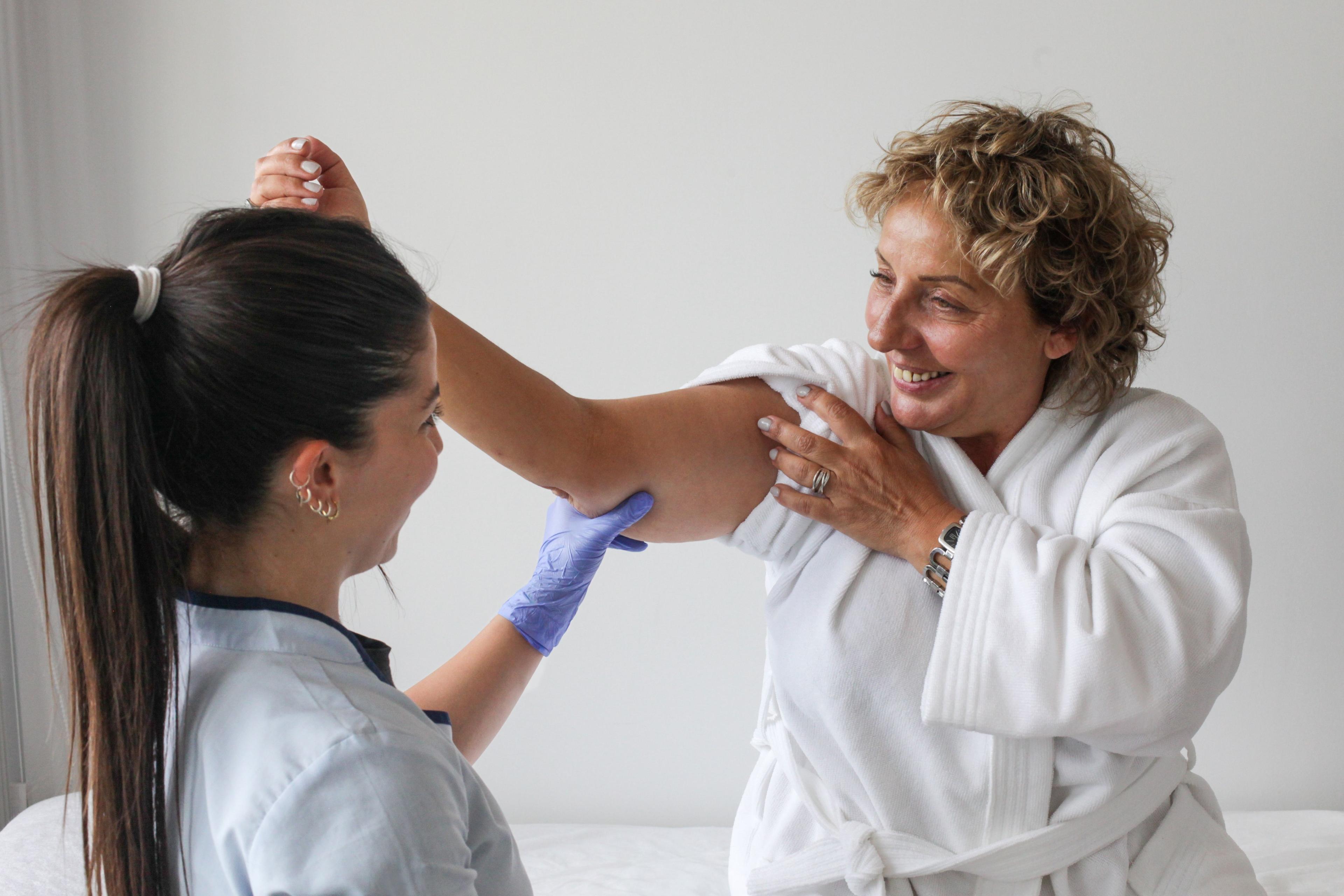
Lymphedema of the arm, also known as ‘big arm’, affects 5 to 20% of women treated for breast cancer. This uncomfortable condition, with a risk of complications, requires compression therapy and drainage of lymph fluid.
Angiolosts are doctors specialising in diseases of the blood and lymphatic vessels. They play a central role in the diagnosis and management of lymphedema.
Underlying causes and mechanisms, affected areas, profile and number of people affected, associated pathological signs, diagnostic tools, management strategies, etc. There are many points that differentiate these two pathologies, which are very often confused.
Meet Eléonore Piot de Vilars, 45, president of the Lymphosport association and cervical cancer referent for the Imagyn association, and Julie Martin, 33, a soldier in the Canadian army: two women who have defied lymphoedema!