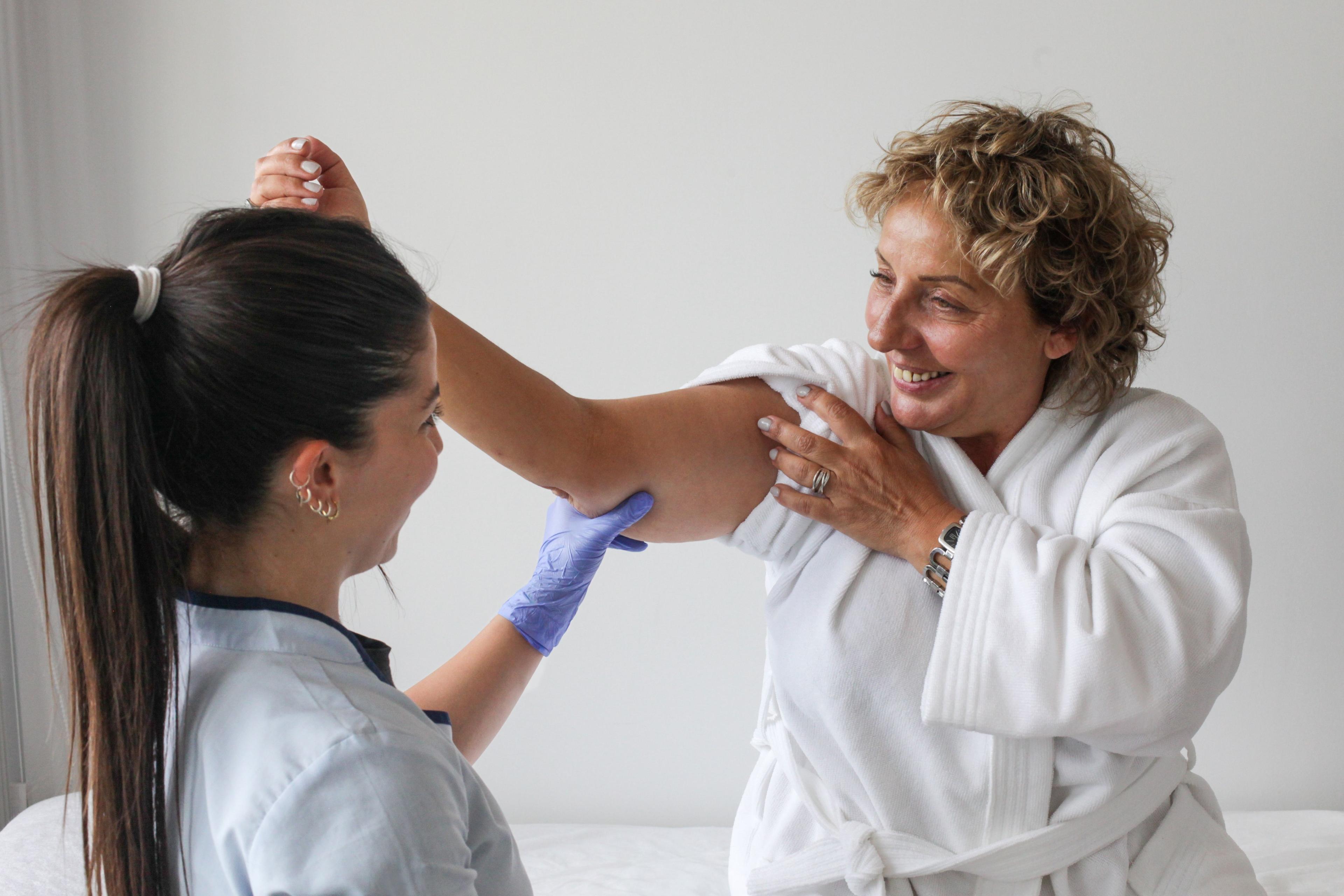
Lymphedema generally affects either the lower or upper limbs. But in some cases it can affect the genital region, in both men and women. We take a closer look at this form of lymphedema, its specific characteristics and how it is treated in women.
While the origin of back pain is sometimes unexplained, it is now known that being overweight is a major risk factor for low back pain: a study reveals that the risk of lumbar disc degeneration increases by 30% for overweight people and 79% for obese people.8
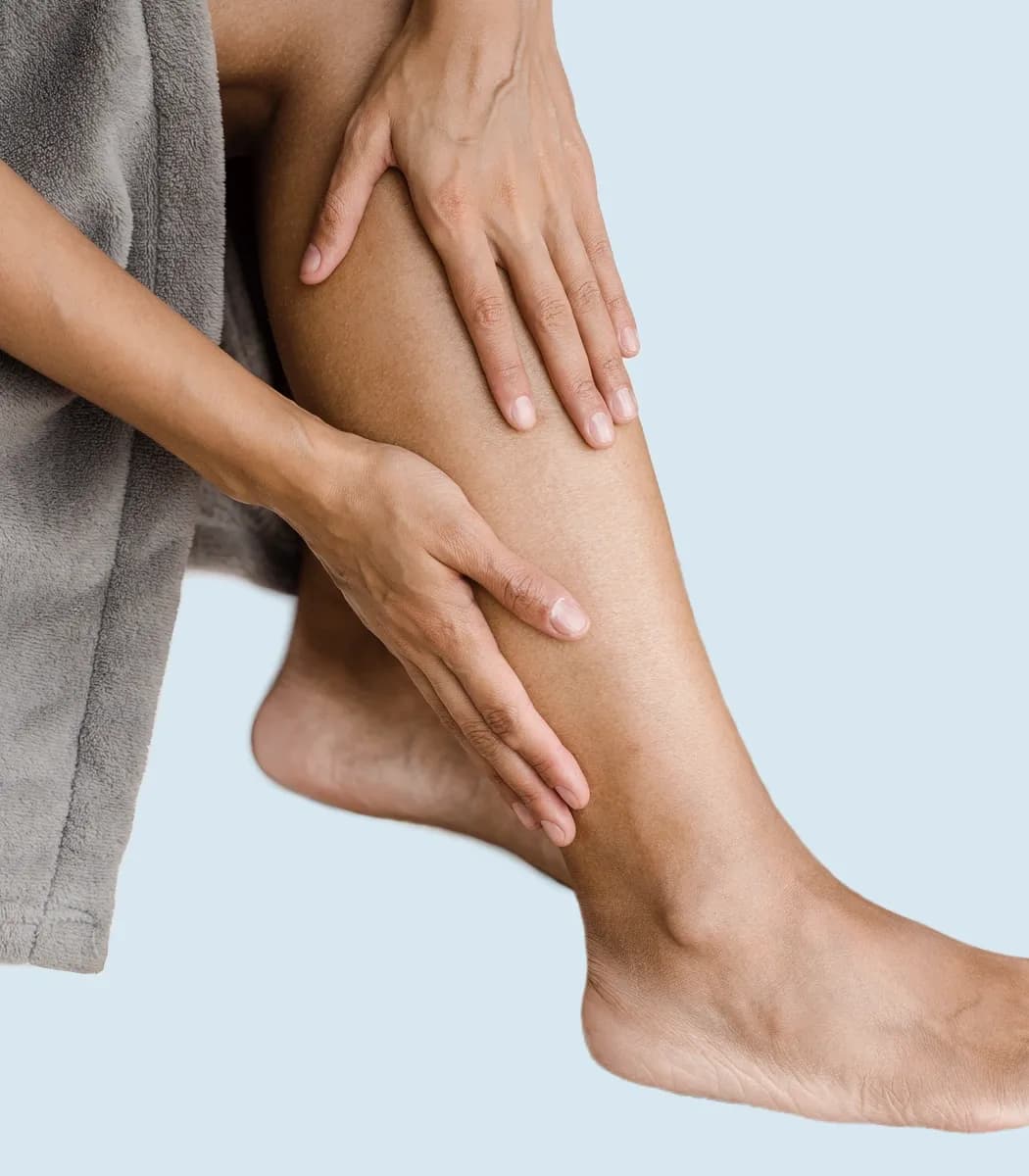
Lymphedema is a pathology that can affect the upper limbs (arms, hands) and lower limbs (legs, feet). Following cancer, for example of the prostate, this condition can also affect the genital area in men.
The lymphatic system and/or the lymph nodes. It can cause many daily problems for people who have it. It often leads to skin problems, which can be treated with prevention and good daily hygiene habits.
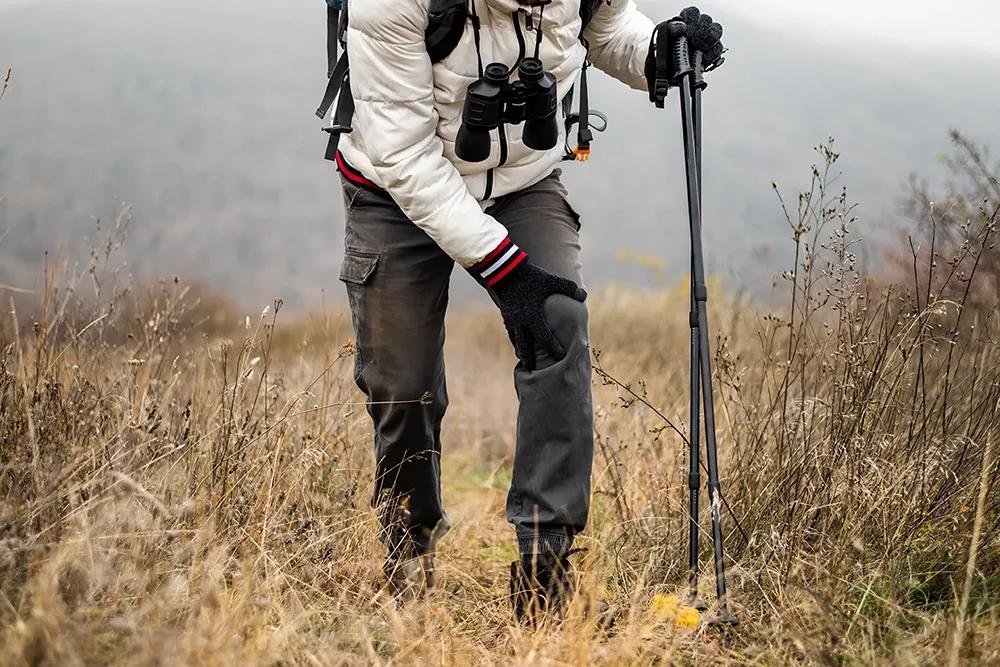
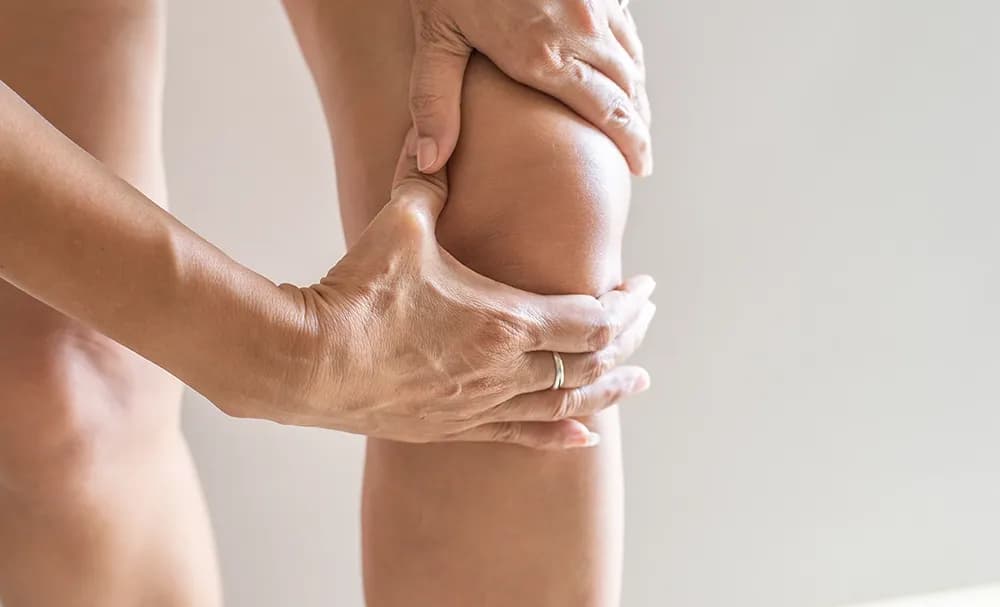
Feeling like your knee is "loose" can be worrisome. This sensation can occur after a trauma, but also in simple everyday gestures. Understanding what knee instability is, its symptoms, causes and possible solutions is a first step to better act and protect your joint.
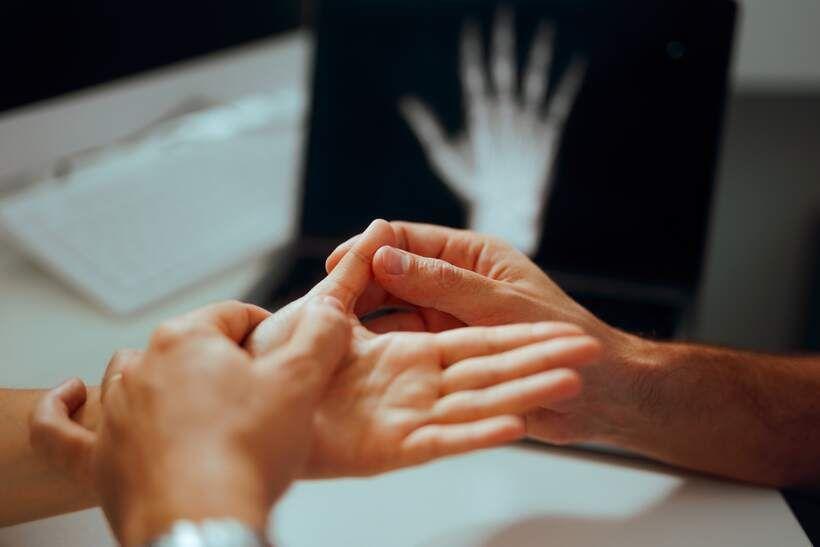
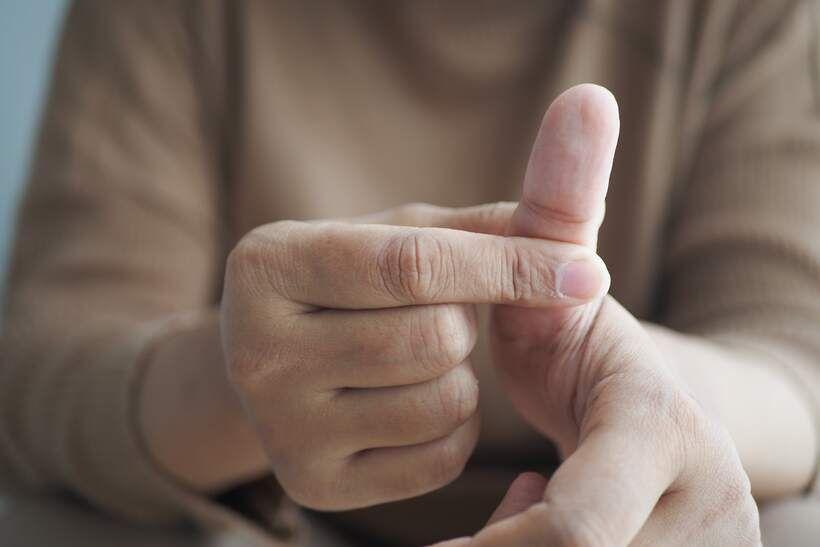
Osteoarthritis of the thumb: understanding rhizarthrosis
Osteoarthritis of the thumb, or rhizarthrosis, affects the joint at the base of the thumb and causes pain, stiffness, loss of strength and joint deformity. Find out about its causes, symptoms and solutions to relieve it, from wearing a brace to surgery.
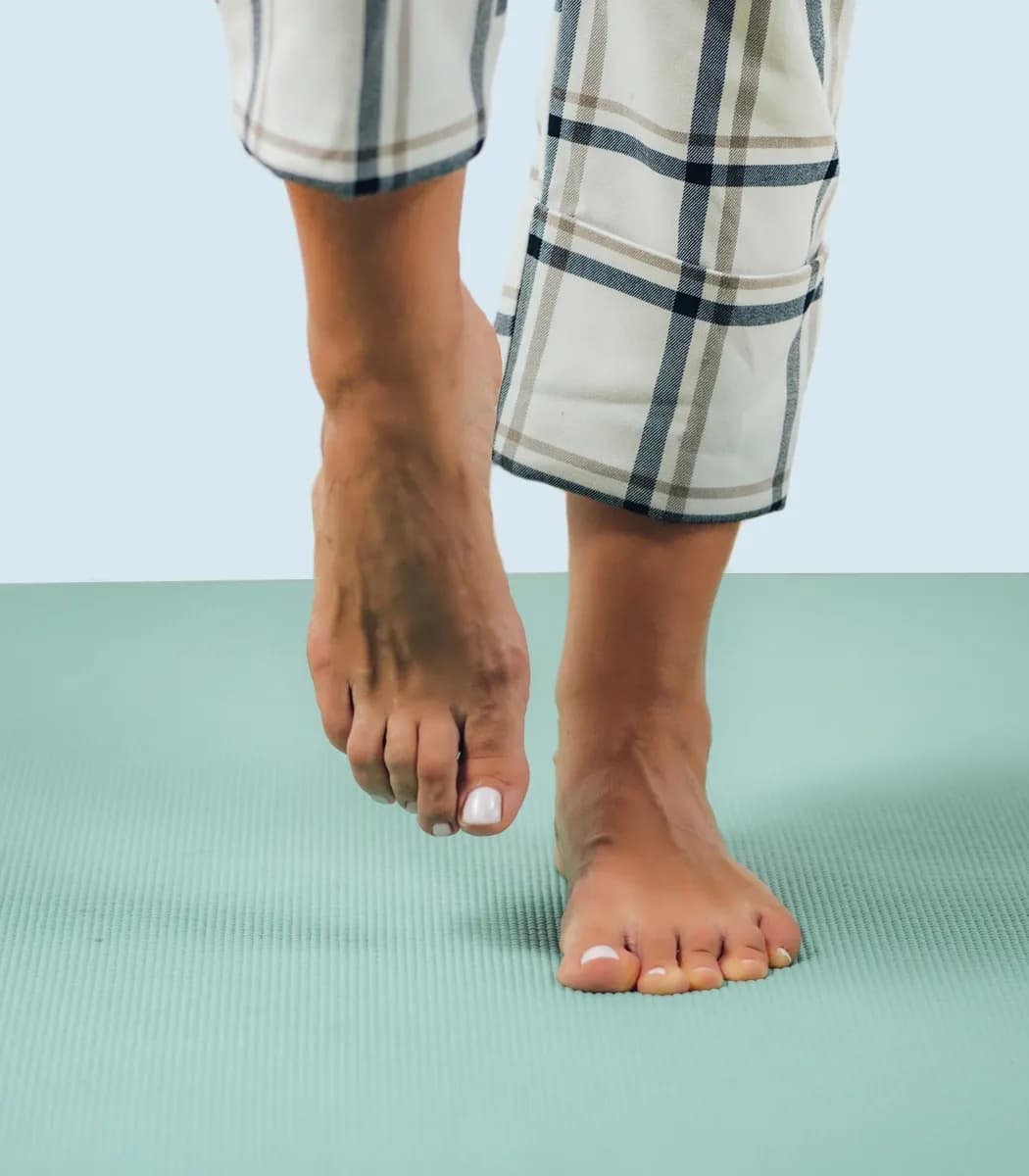
Walking plays a role in maintaining not just our leg muscles but our overall physical health. When we lose the ability to walk, whether due to illness, injury, or other factors, our leg muscles suffer significant changes that can impact our quality of life1.