Who hasn't heard that wet weather is bad for rheumatism? Or his grandmother predicting bad weather by a sudden worsening of his back pain? The popular belief that the weather influences musculoskeletal diseases is widespread.
A sedentary lifestyle, the great enemy of our backs
A sedentary lifestyle is thought to play a major role in the epidemic of back pain that afflicts us today. Staying active, on the other hand, can help combat low back pain.
Back pain is one of the main disabling conditions affecting people aged 60 and over. Certain pathologies and age-related changes make older people more susceptible to back pain.
The mechanisms involved remain unclear, but an increasing number of studies are pointing to a link between back pain and certain mental disorders such as depression.
Back pain is particularly common among the general population. And yet it is often misunderstood... From hard mattresses to heels to avoid, here's a look at five common misconceptions about back pain.
Back pain: symptoms, intensity, duration... when should you seek help?
Back pain is very often temporary and benign. But sometimes the pain is intense, long-lasting and indicative of a more serious condition. How do you recognise the seriousness of lower back pain? What are the warning signs to seek medical attention?
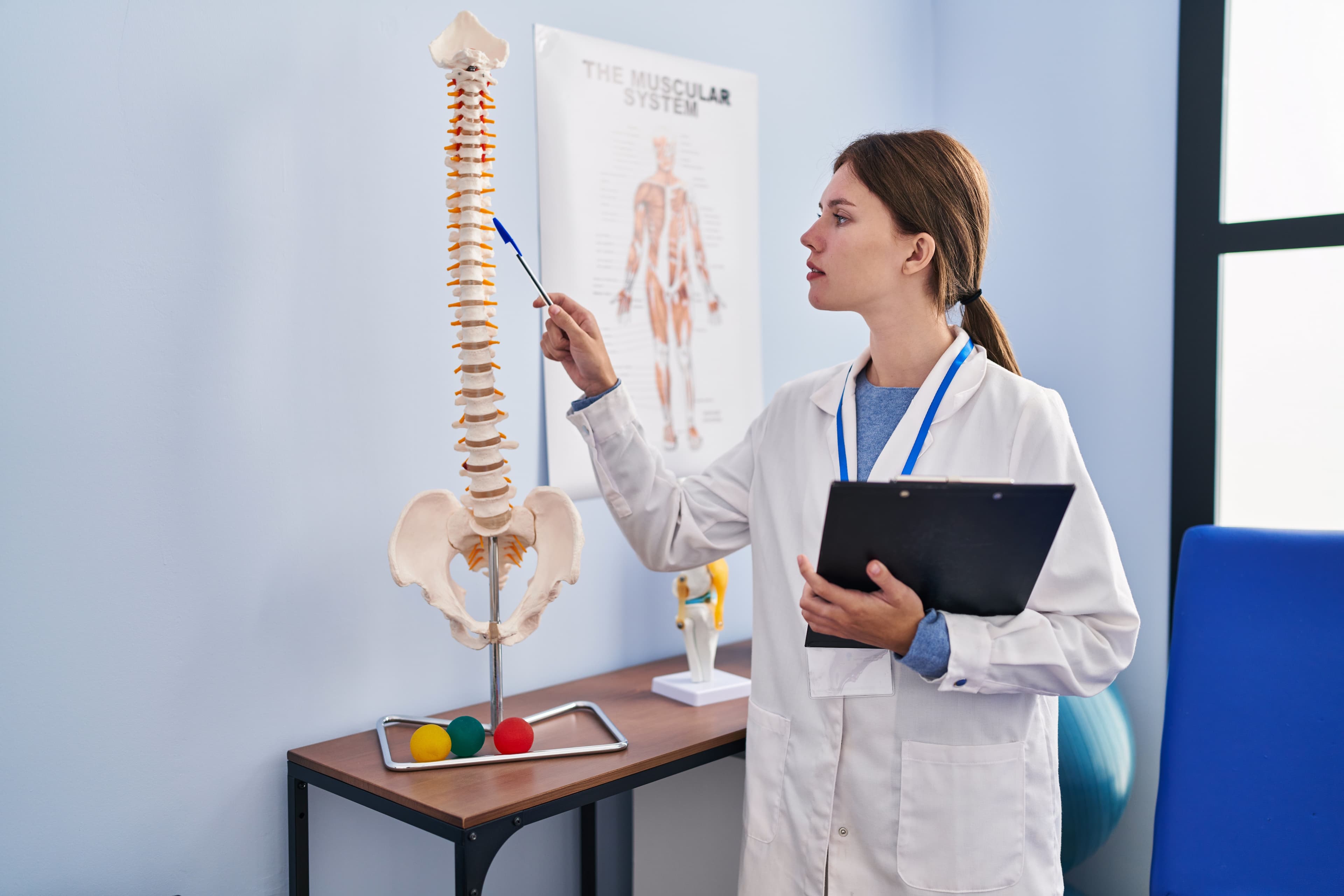
When we talk about back pain, we often refer to the spinal column, or ‘rachis’ by its scientific name. How is it structured? How does it work? Here are the answers.
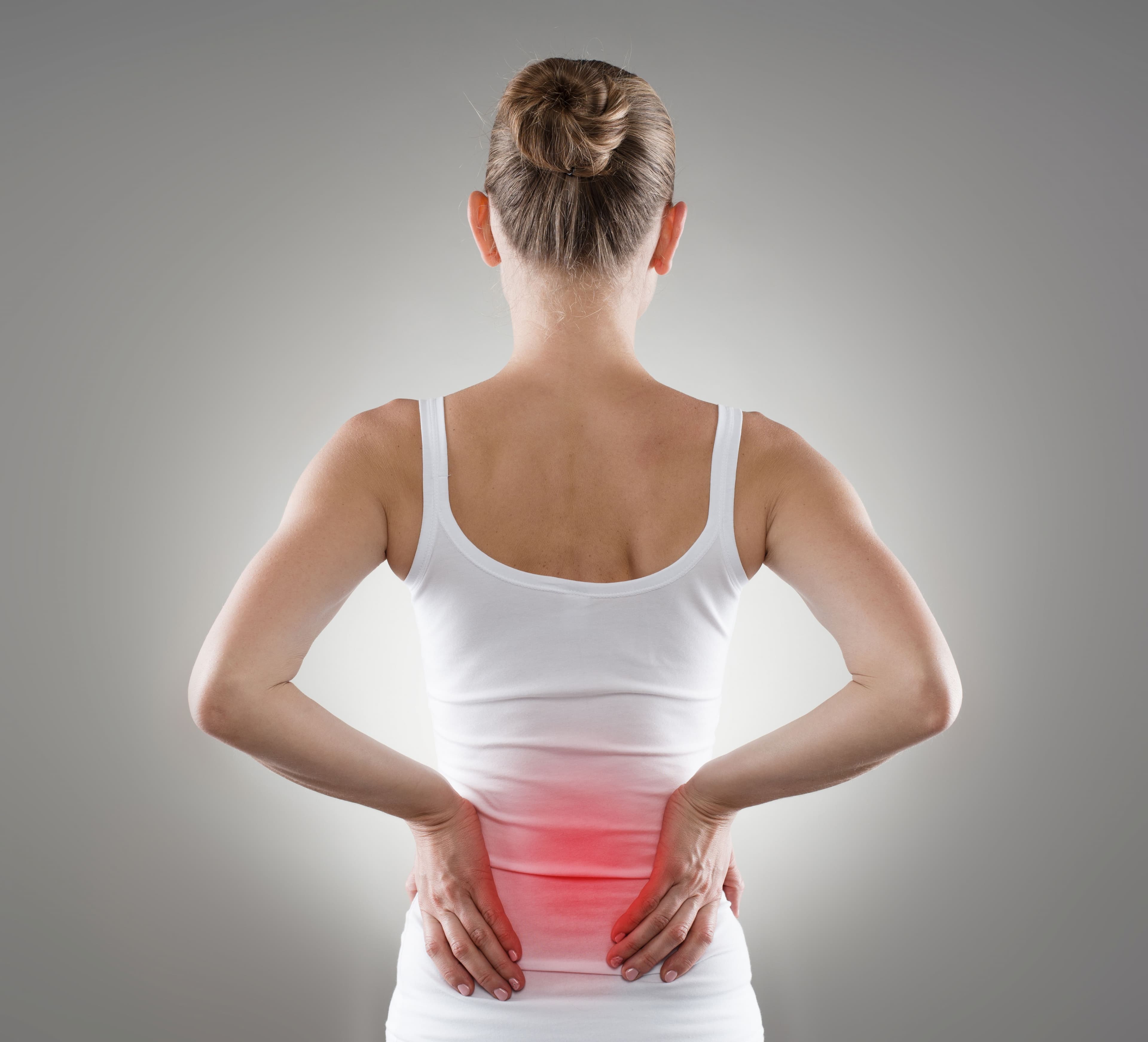
Low back pain is pain in the lower back. It is classified as acute, sub-acute or chronic depending on its duration. Each of these stages requires specific treatment.
Who should you consult if you suffer from back pain? It's sometimes difficult to find your way between the health professionals you can consult directly or via your GP (1) (physiotherapist, specialist, etc.) and other health professionals (osteopaths, chiropractors).