The mechanisms involved remain unclear, but an increasing number of studies are pointing to a link between back pain and certain mental disorders such as depression.
Back pain is particularly common among the general population. And yet it is often misunderstood... From hard mattresses to heels to avoid, here's a look at five common misconceptions about back pain.
Back pain: symptoms, intensity, duration... when should you seek help?
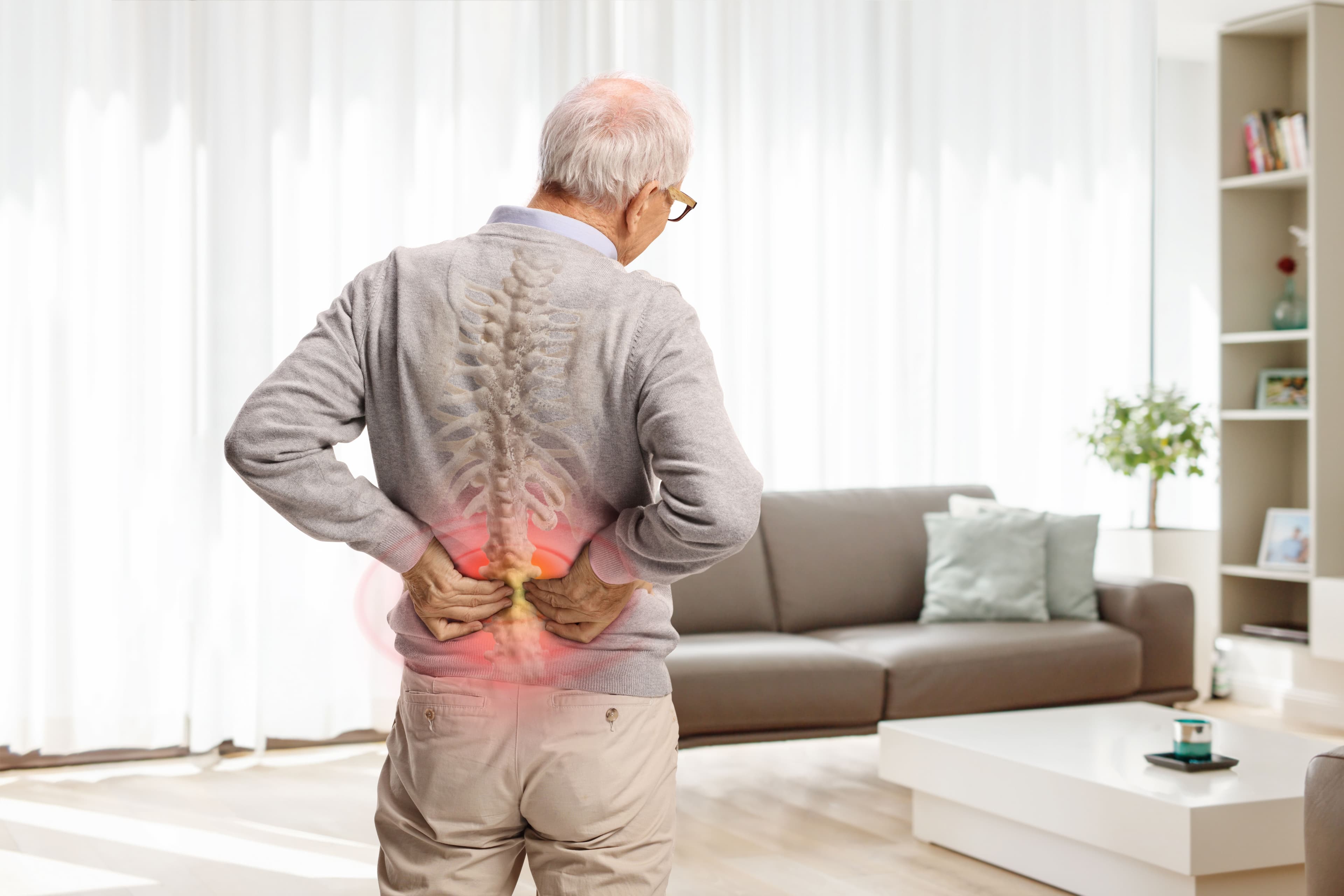
Back pain is very often temporary and benign. But sometimes the pain is intense, long-lasting and indicative of a more serious condition. How do you recognise the seriousness of lower back pain? What are the warning signs to seek medical attention?
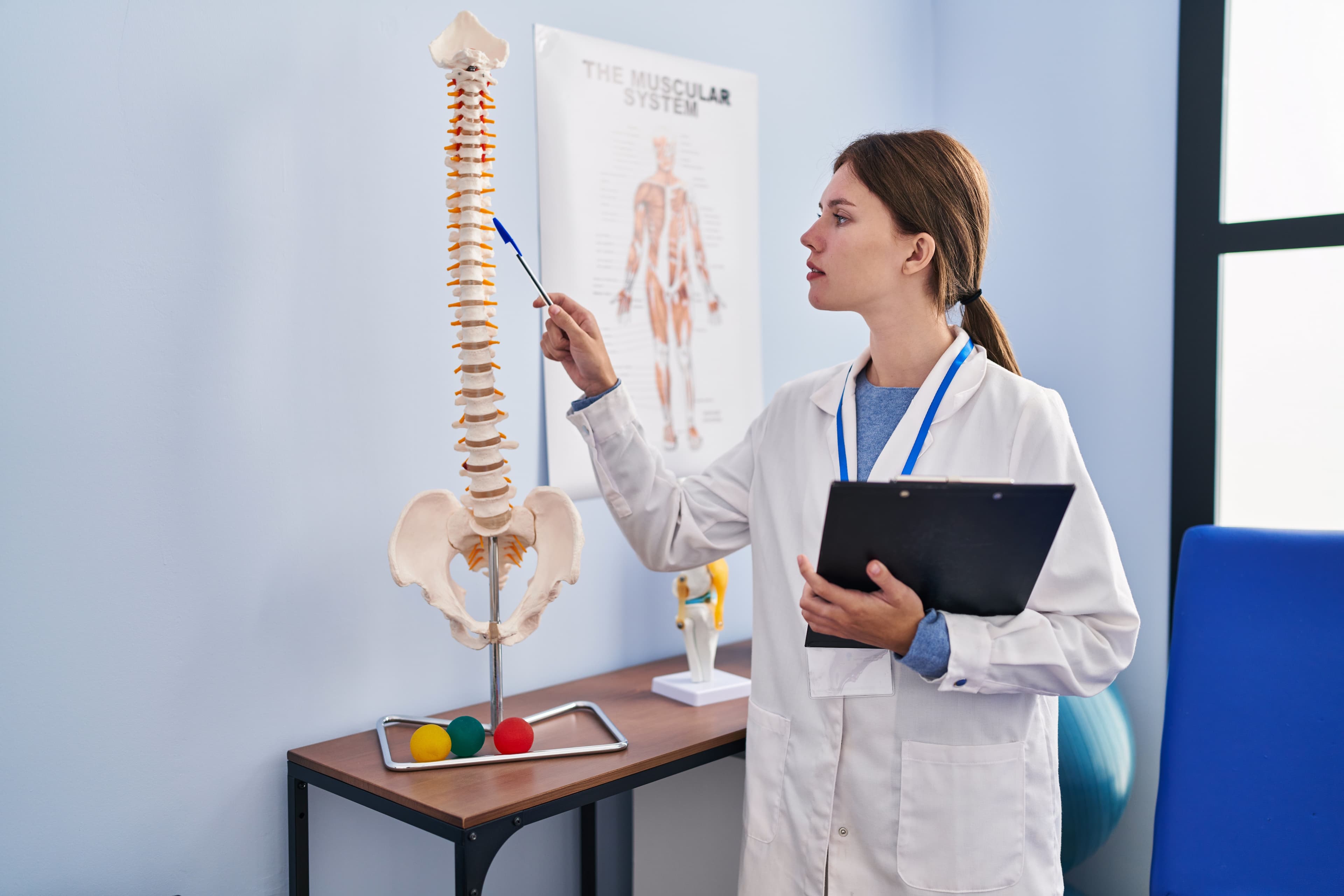
When we talk about back pain, we often refer to the spinal column, or ‘rachis’ by its scientific name. How is it structured? How does it work? Here are the answers.
It is now clearly recognised that heredity is one of the factors favouring venous insufficiency. But although the mechanisms of onset and development of chronic venous insufficiency have become better understood in recent decades, the contribution of genetic risk factors has not yet been clearly established.
Low back pain is pain in the lower back. It is classified as acute, sub-acute or chronic depending on its duration. Each of these stages requires specific treatment.
Primary lymphedema corresponds to a chronic increase in volume of a limb following the build-up of lymphatic fluid. It is related to a malformation of part or all of the lymphatic system.
What are the different types of back pain? How does pain work?
Pain is a complex concept. It arises through different mechanisms and routes. Low back pain can take several routes: it is a ‘mixed’ pain. There are three types of pain: nociceptive pain, neuropathic pain and so-called ‘mixed’ pain, which combines the first two.
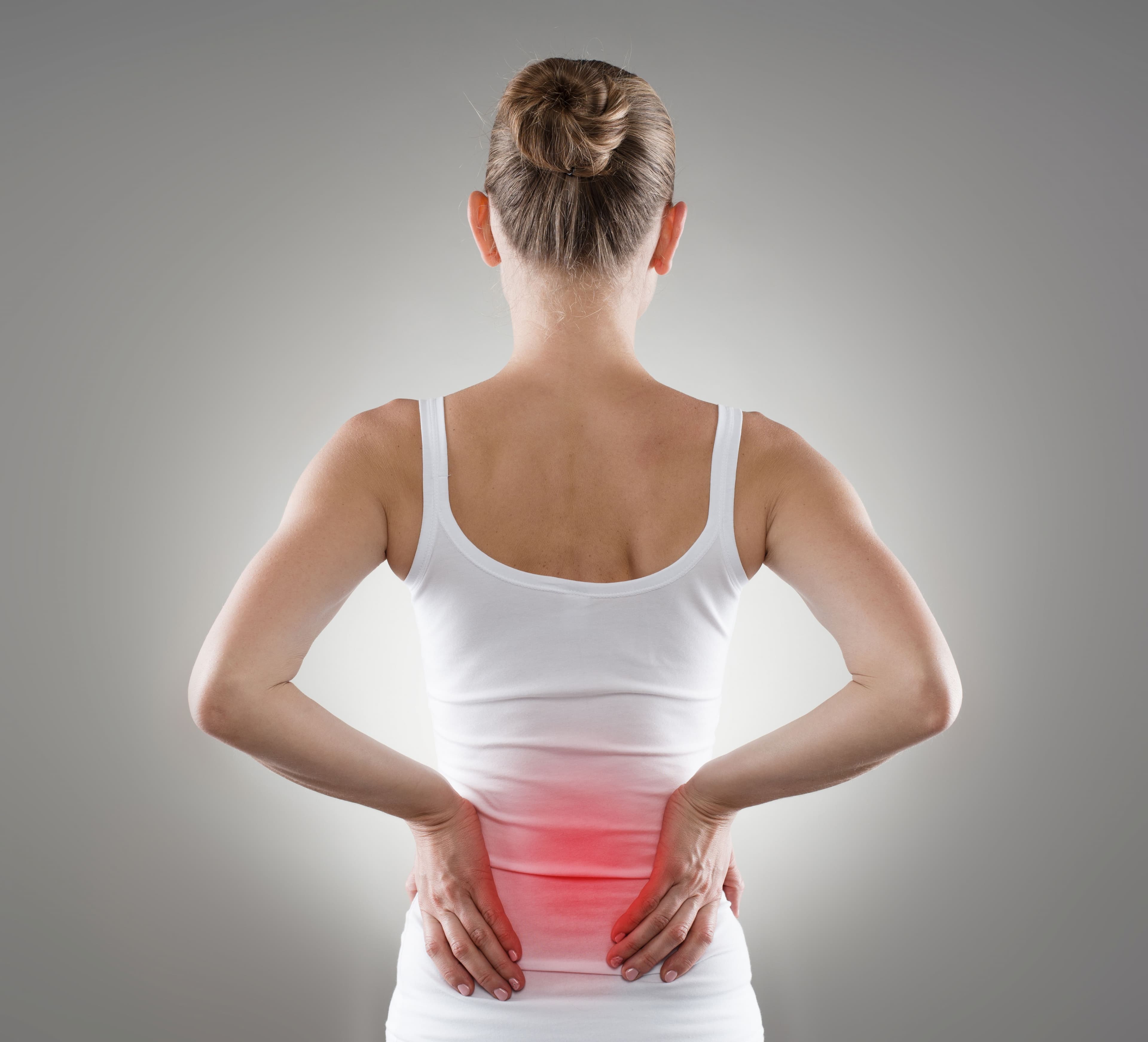
Back pain is very common. 4 out of 5 French people suffer from it in the course of their lives. While the pain may appear to be bone-related, it is much more likely to be muscular in origin. It can also be caused by digestive, menstrual or infectious problems.