Venotonics are widely used drugs for heavy legs; But the Haute Autorité de Santé judged their medical serviceto be insufficient in 2001, and they were completely de-reimbursed in 2008. They relieve symptoms — but they don't treat venous disease. Here's what it means for you.
Balneotherapy and venous insufficiency : how water relieves your heavy legs
Can balneotherapy really relieve heavy legs related to venous insufficiency? Yes — and more and more patients are experiencing it. In a bath, shower or during a spa treatment, water acts as a real therapeutic tool on venous circulation.
Heavy legs in summer: causes, advice and solutions to feel comfortable again
In summer, the feeling of heavy legs is a common discomfort, especially when it is hot. It is often linked to less efficient venous circulation, helped by the widening of the veins. Luckily, simple steps can improve daily comfort.
Heavy legs: 5 easy ways to improve your daily blood circulation
Do you often feel heavy, swollen or tired at the end of the day? Alteration of venous return is perhaps the main cause of these discomforts. However, there are simple solutions you can put in place to help your blood circulation. Here are 5 habits to adopt to improve your blood circulation.
Compression stockings have become a daily ally to relieve heavy legs, improve circulation and prevent certain venous disorders. But are you wondering if keeping your compression stockings on overnight is a good idea?
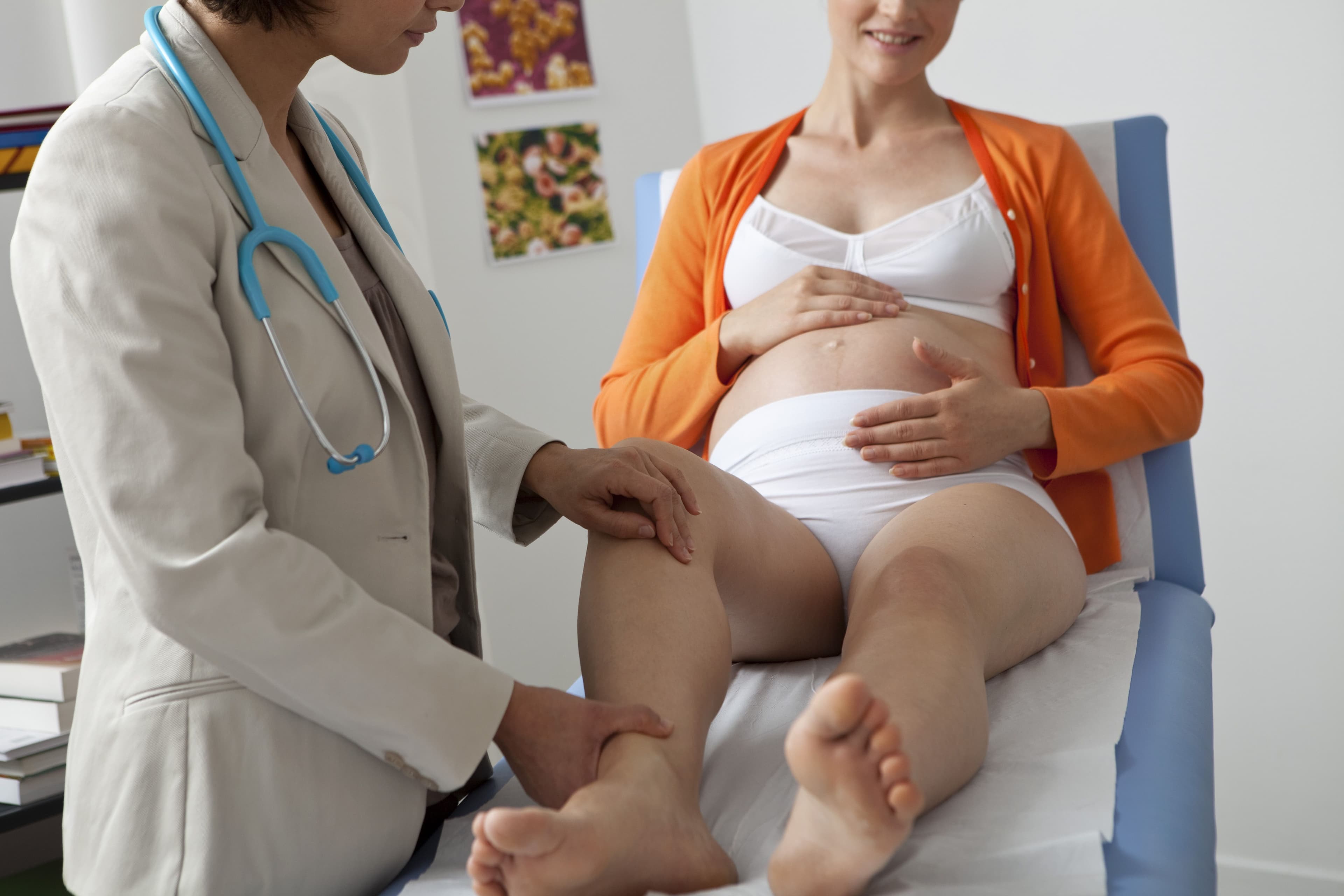
Pregnancy:
the belly is quite heavy, not the legs!
An aspect of pregnancy that is often forgotten or little mentioned is the appearance of signs of venous insufficiency such as heavy legs, leg edema or varicose veins.
For some, holidays are synonymous with travel and long journeys. These trips by car, bus, train or plane, which sometimes cause immobility for several hours, can cause discomfort for the legs.
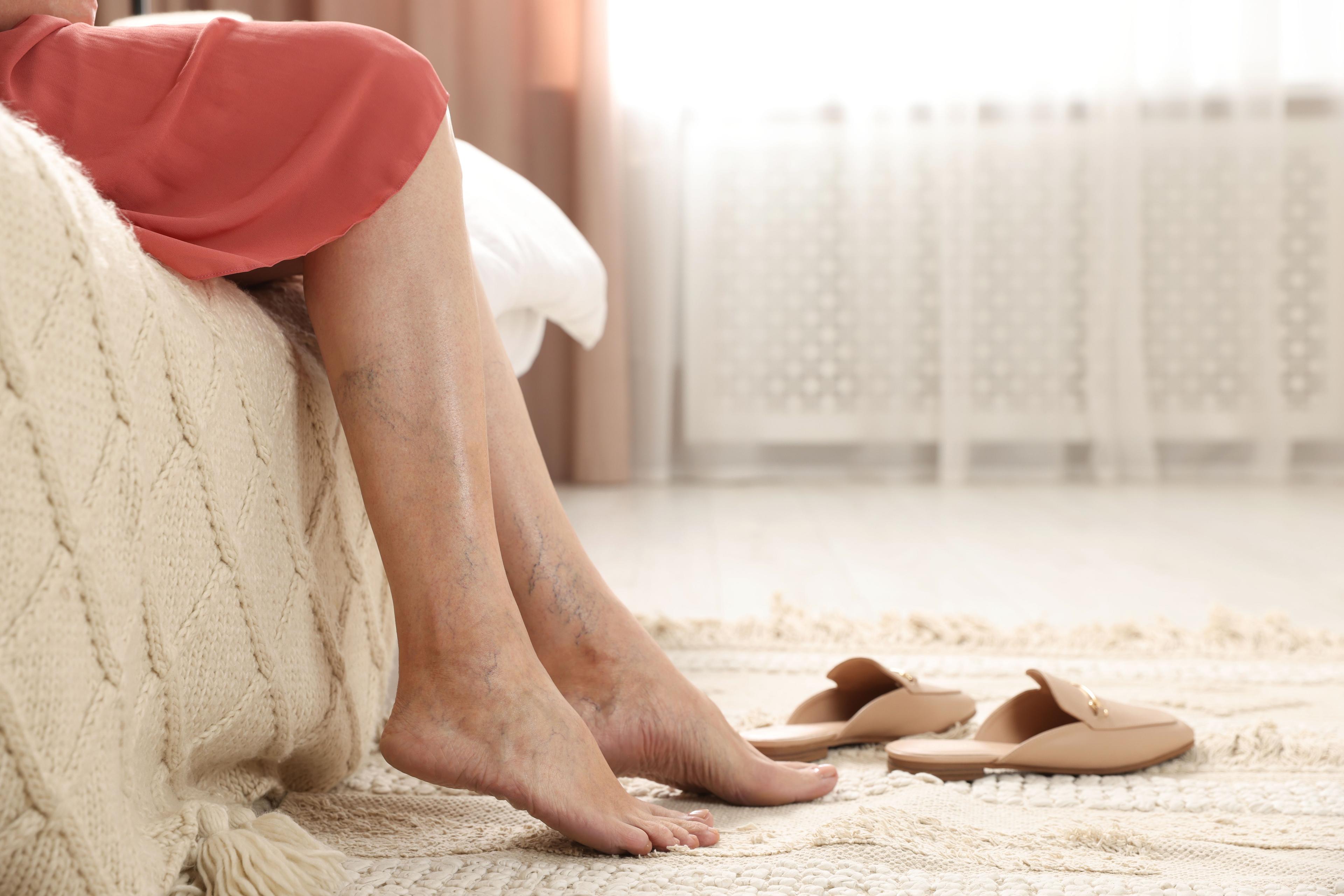
A large group of people still underestimate the problem of the appearance of varicose veins of the lower limbs. Most of them still believe that they are only harmless cosmetic changes that should not be bothered with. Others believe that the problem will go away on its own without any intervention. So, what are leg varicose veins and are these beliefs correct ?
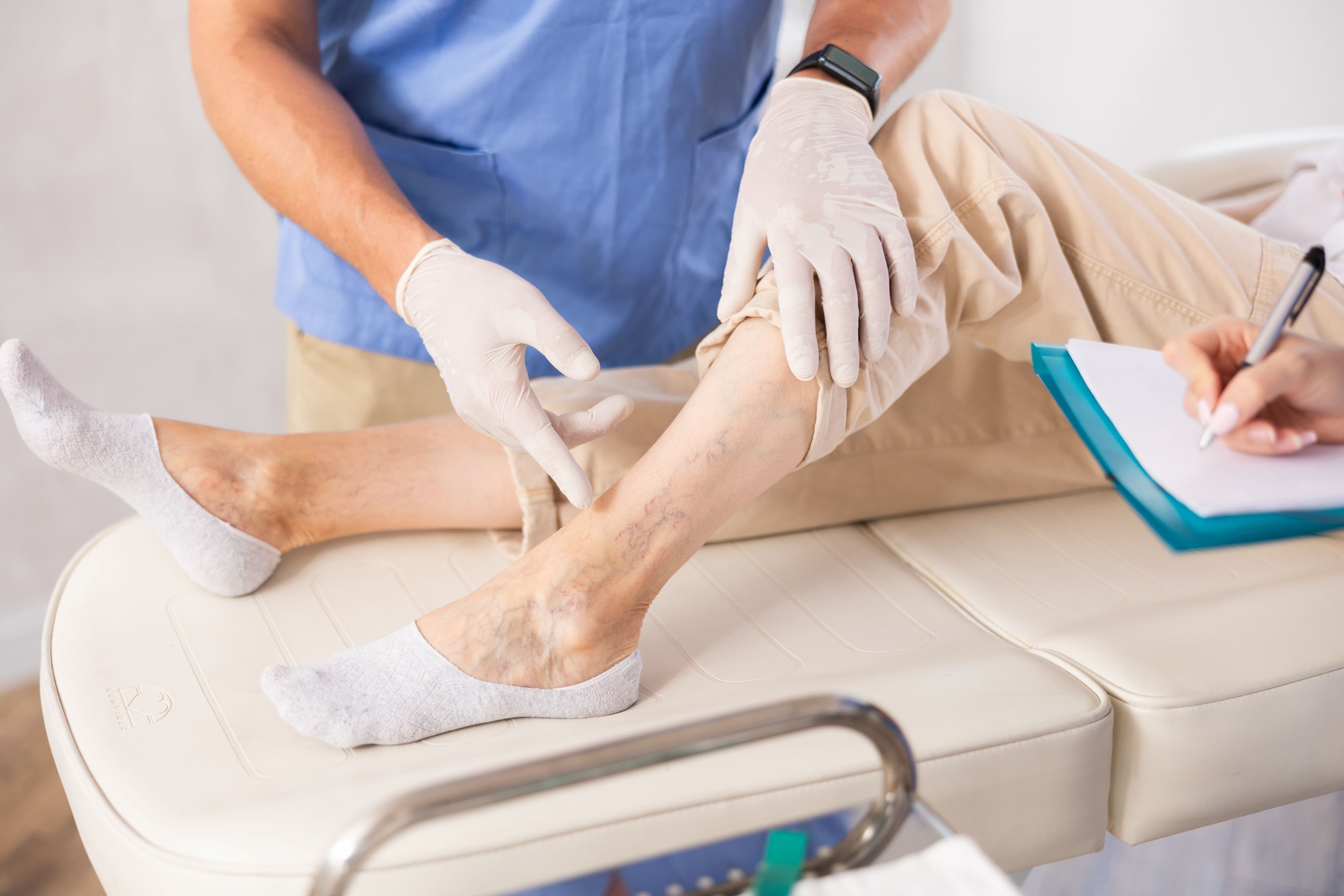
Signs of venous insufficiency: who and when should you consult ?
Chronic venous insufficiency, also known as chronic venous disease, can result from problems with superficial veins, such as varicose veins, or deep veins, such as the after-effects of phlebitis, causing reflux or obstruction that leads to venous hypertension in the ankle.
It is now clearly recognised that heredity is one of the factors favouring venous insufficiency. But although the mechanisms of onset and development of chronic venous insufficiency have become better understood in recent decades, the contribution of genetic risk factors has not yet been clearly established.