Did you know that osteoarthritis (OA), a common joint disorder affecting over 500 million people worldwide, is closely linked to obesity ? OA causes cartilage loss, chronic pain, and limited joint motion, primarily in the knees, hips, hands and spine. One of the most significant, yet preventable, factors contributing to OA is obesity and being overweight.
Osteoarthritis of the knee affects younger adults too!
Contrary to popular belief, osteoarthritis of the knee (or gonarthrosis) is not just an age-related condition: it can be associated with inflammation, genetic or lifestyle factors1 and can develop even in younger people, with 12% of people with knee OA under age 402.
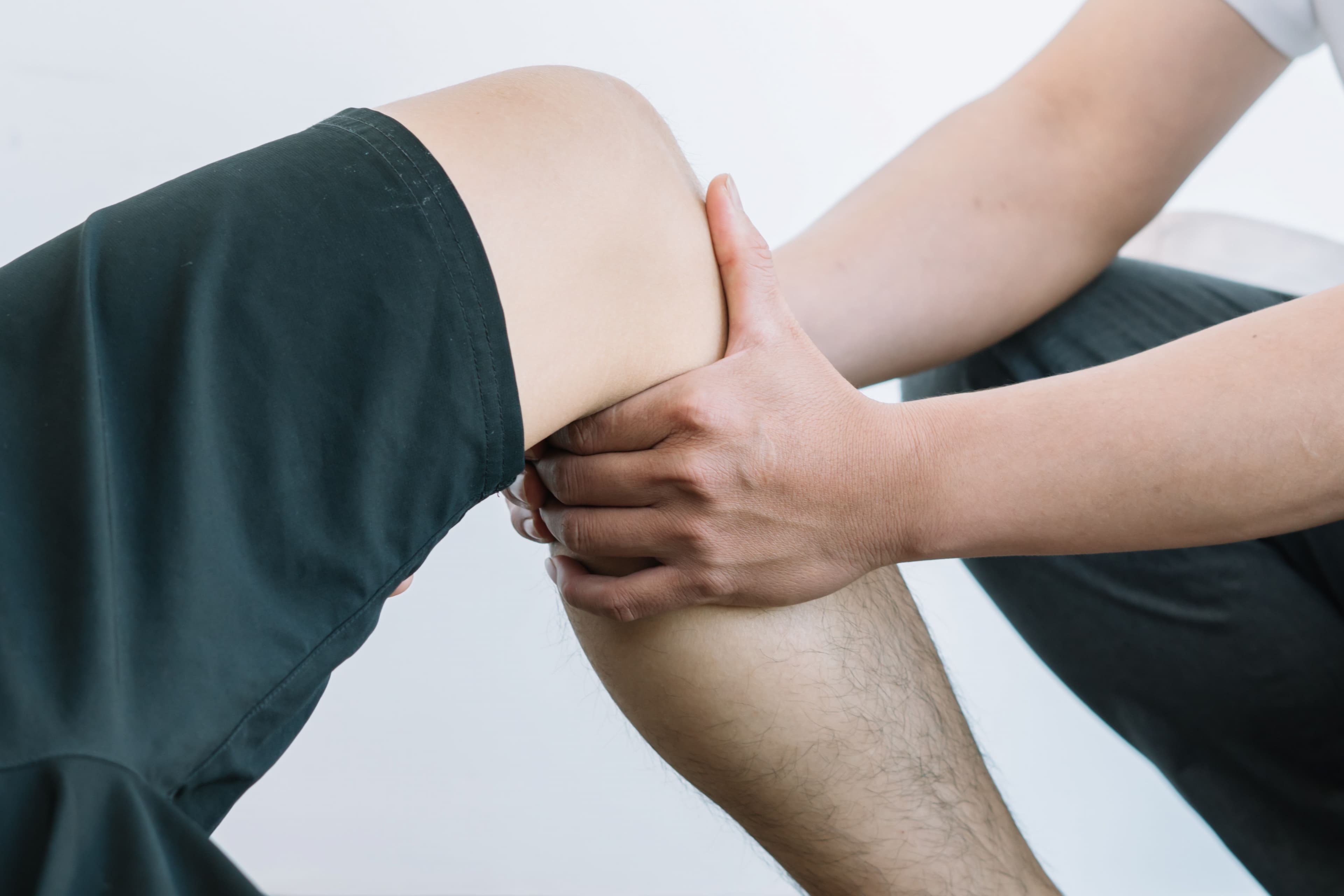
The effective treatment of osteoarthritis of the knee (or gonarthrosis) requires multidisciplinary management. Among the various healthcare professionals involved, the physiotherapist may play a particularly important role. But when is their input required? And what is there exact role?
Making a few changes to your diet can help relieve the symptoms of osteoarthritis of the knee (or gonarthrosis) and slow down its progression(1). Improving the balance of your diet and favouring joint-protecting foods is easy and really helps.
If osteoarthritis of the knee causes highly incapacitating pain, restricted mobility and other treatments are no longer working, replacing the joint with a prosthetic one may be considered.
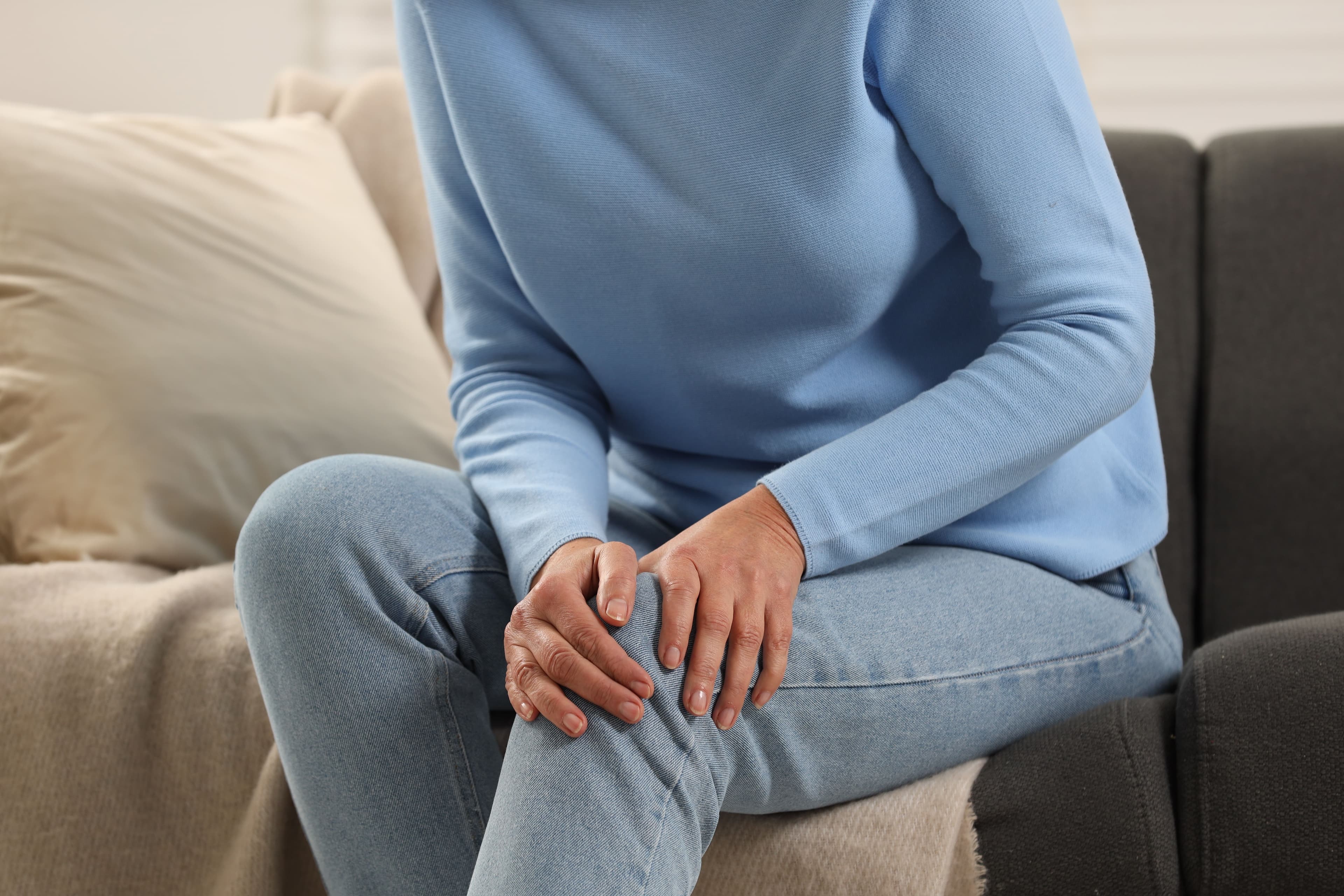
Our knees play an essential role when it comes to supporting our bodies and keeping us mobile. These joints support our weight and movements in all our routine activities. Hence a degenerative cartilage disease like osteoarthritis of the knee (also known as OA or gonarthrosis) can quickly become incapacitating in our everyday lives.