Diabetic foot: complications, stages and prevention
Every year on 14 November, World Diabetes Day reminds us of a fact that is too often overlooked: diabetes also affects the feet. In a person with diabetes, a wound that seems minor can develop into a serious problem without clear warning signs.
The good news is that simple, regular monitoring changes a lot of things. Here's how to recognize the signs, understand what happens, and know when to see a doctor.
The spine is an essential structure of the human body. It plays a crucial role in our mobility and posture. Composed of 33 vertebrae, it supports the weight of the body and protects the spinal cord.
The nervous system is our body's regulatory and communication centre. It is made up of the brain, the spinal cord and nerves (a collection of neurons).
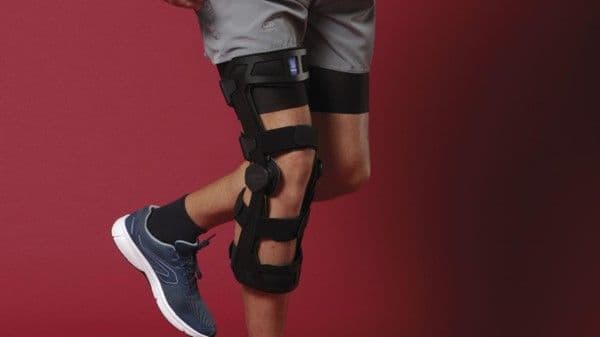
The knee is a system made up of bones, ligaments, tendons and cartilage that ensures both static posture and walking. Its mobility is based on a combination of rolling and sliding. Knee pathologies are mainly traumatic (sprain or rupture of the cruciate ligament) or degenerative (osteoarthritis).